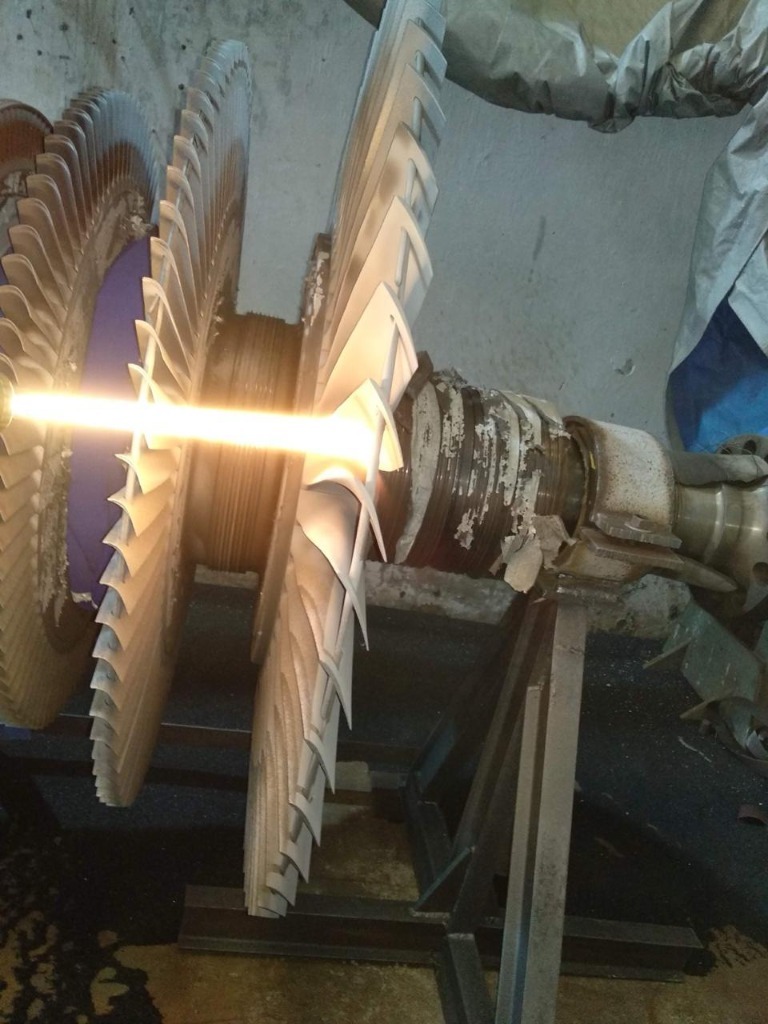
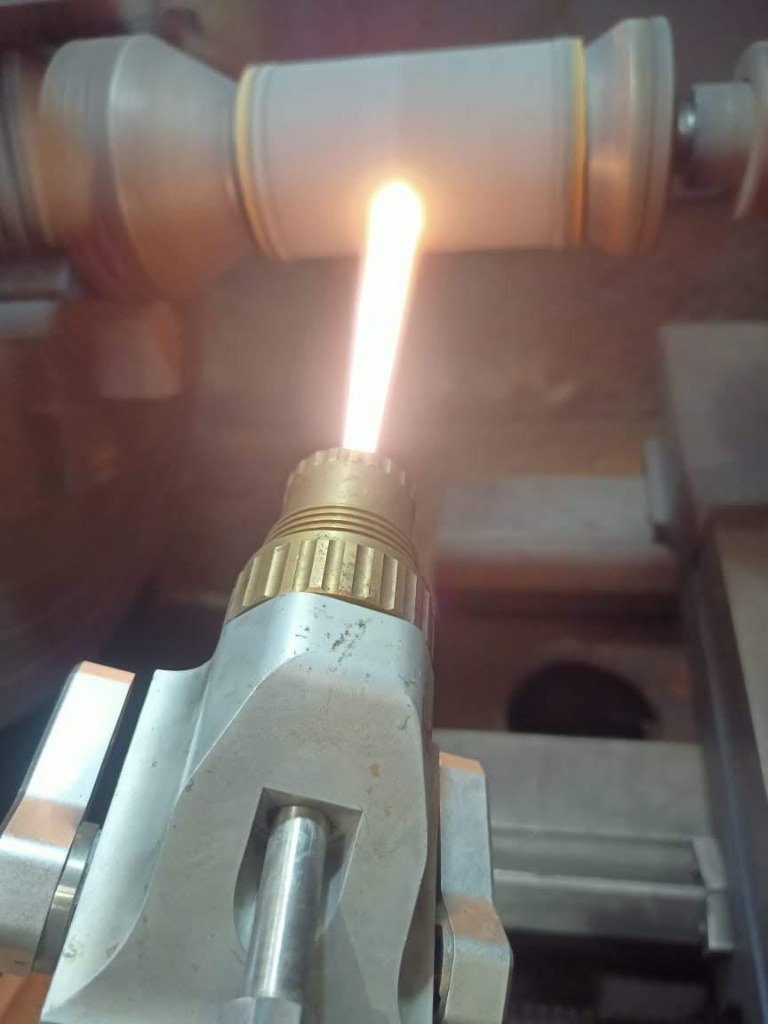
HVOF Background Grid
HVOF Operation Right Anchor
ADVANCED SURFACE ENGINEERING

HVOF (High Velocity Oxy-Fuel) Coating

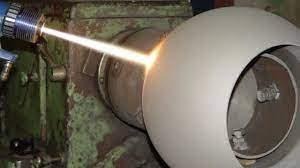
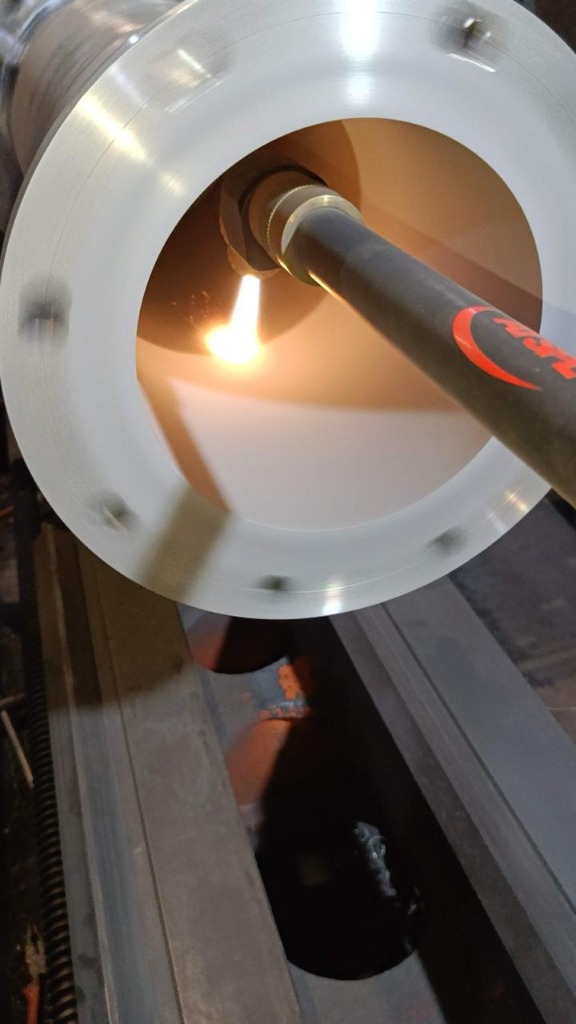
Using supersonic gas velocities to apply extremely dense metallic or carbide coatings (Tungsten/Chrome Carbides). Delivers peerless wear resistance, low porosity, and exceptional bond strength for control valves, pump impellers, and compressor shafts.

Wear Resistant Coatings Tungsten Carbide Solutions Component Life Extension Industrial Surface Engineering

Overview

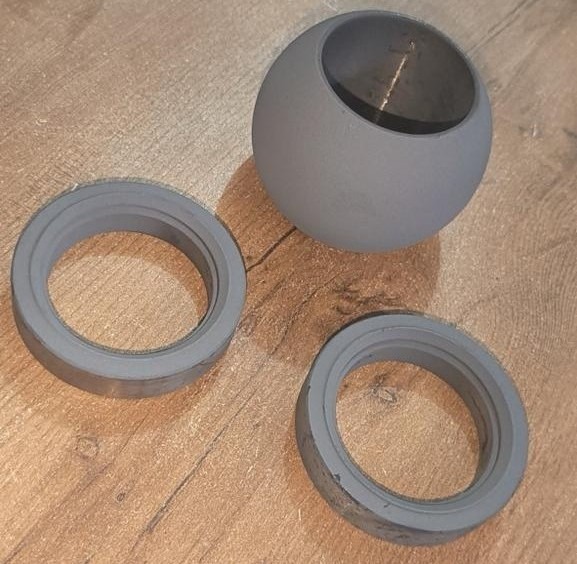
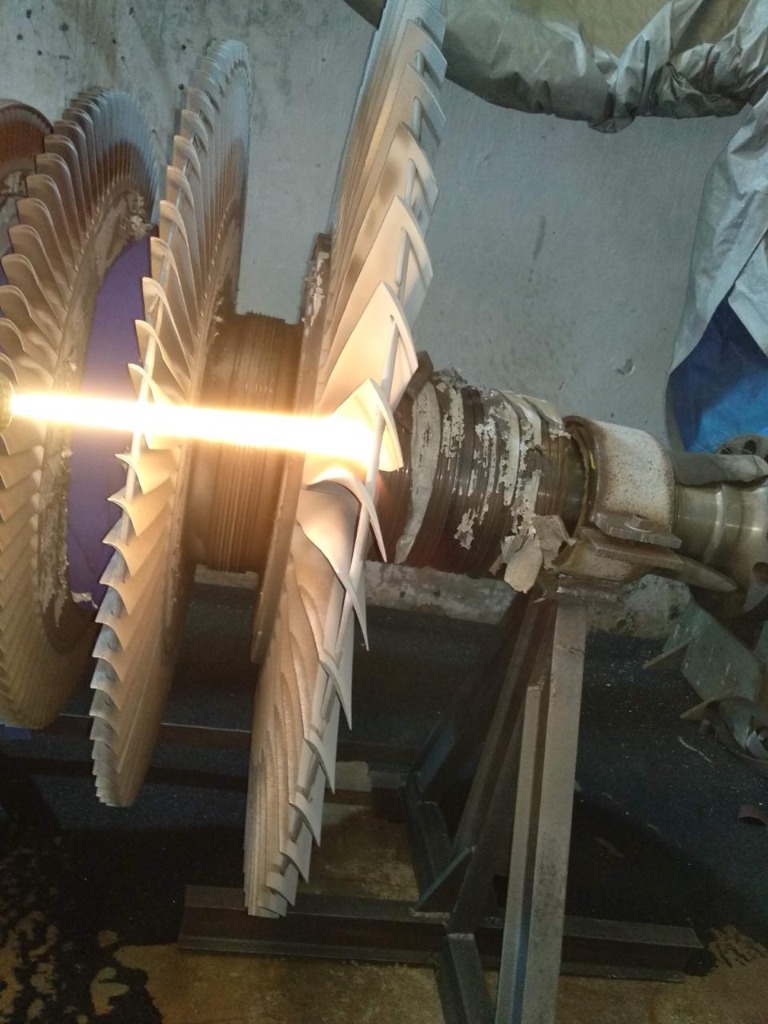
HVOF (High Velocity Oxy-Fuel) coating is one of the most advanced thermal spray technologies used to protect critical industrial components from wear, erosion, corrosion and abrasion. ATSPL applies tungsten carbide and chromium carbide coatings to valves, shafts, rollers, pump components, turbine parts and other high-value equipment operating in demanding industrial environments.

Our HVOF coatings create an extremely dense and strongly bonded protective layer that significantly extends component life, reduces maintenance frequency and minimizes unplanned downtime. Industries including power generation, steel, cement, oil & gas, mining and process manufacturing rely on HVOF coatings to improve equipment reliability and lower lifecycle costs.

Key Specifications & Features

Micro-hardness up to 1400 HV, comparable to hard chrome plating
Extremely high bond strength exceeding 10,000 PSI
Near-zero porosity (< 1%), providing excellent corrosion resistance
Coating thicknesses up to 2-3 mm without cracking or spalling
No thermal distortion or structural changes to the base material

Typical Applications

Valve Components
Pump Shafts & Sleeves
Turbine Components
Rollers & Mechanical Seals
Compressor Parts
Industrial Wear Surfaces

Key Benefits

Superior Wear Resistance
Low Porosity Coatings
Excellent Bond Strength
Corrosion Protection
Extended Equipment Life
Reduced Maintenance Costs

Common Coating Materials

Tungsten Carbide
Chromium Carbide
Nickel-Based Alloys
Cobalt-Based Alloys
Metal-Ceramic Composites
Custom Engineered Coatings
Frequently Asked Questions

HVOF Coating — Common Questions

Answers to what engineers most often ask about our HVOF thermal spray coating services.
What is HVOF coating and how does it work?
HVOF (High-Velocity Oxy-Fuel) is a thermal spray process that uses supersonic gas velocities to propel molten carbide and metallic powders onto a component surface. This produces extremely dense, hard coatings with very low porosity and exceptional bond strength, ideal for wear and corrosion protection on critical industrial parts.
What materials can be applied with HVOF?
The most common HVOF materials are tungsten carbide (WC-Co, WC-Co-Cr) and chrome carbide, along with various metallic and nickel- or cobalt-based alloys chosen to match the wear or corrosion challenge.
Which components benefit most from HVOF coating?
Control valves, pump impellers, compressor and pump shafts, shaft sleeves, and other high-wear rotating or sealing parts that face abrasion, erosion, or corrosion.
How does HVOF compare to hard chrome plating?
HVOF tungsten carbide coatings deliver higher hardness, better wear resistance, and superior bond strength than hard chrome plating, and they are an environmentally friendly alternative without the hazardous hexavalent chromium of plating.
Do you provide HVOF coating services across India?
Yes. ATSPL provides HVOF coating services to clients across India from our facility in Ahmedabad, Gujarat, including workshop and on-site options for large components.