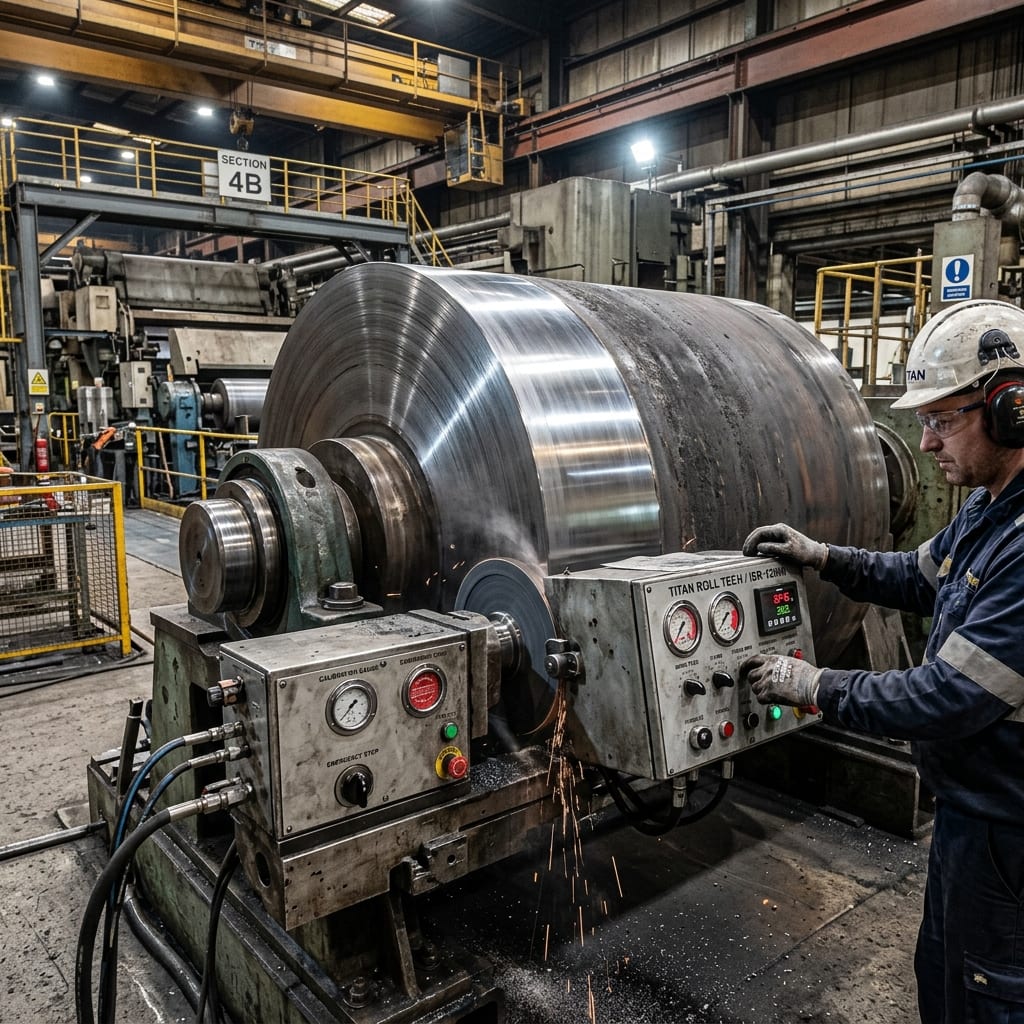
Online In-Situ Grinding & Reconditioning
Service Operation Right Anchor
ADVANCED SURFACE ENGINEERING

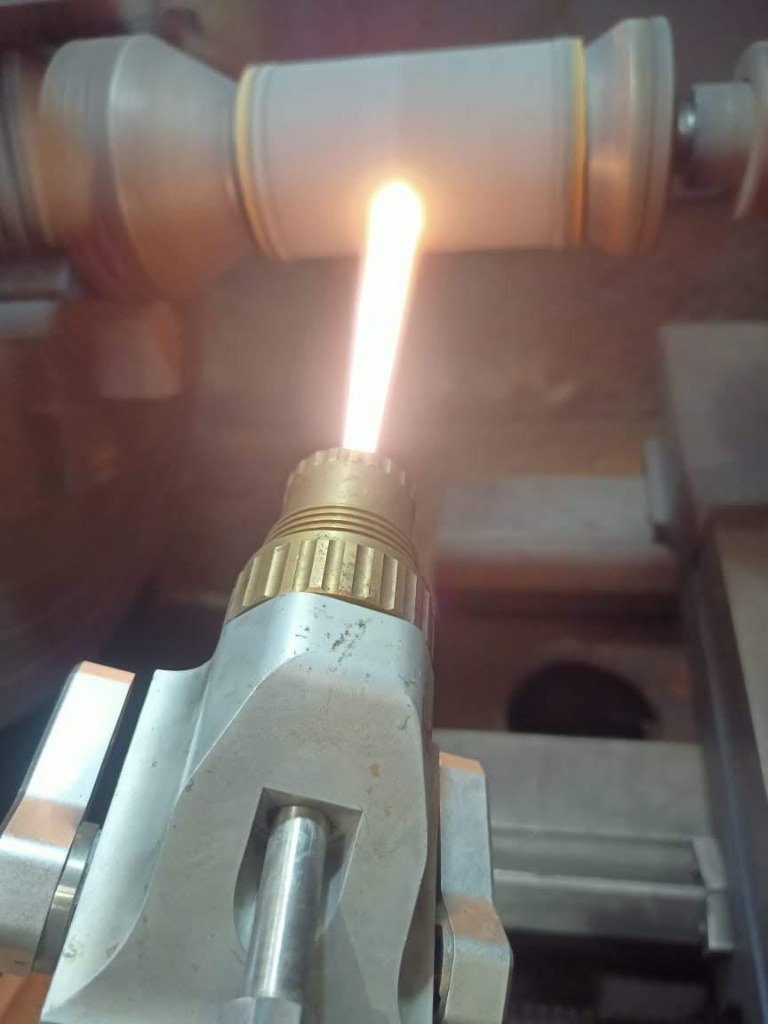
Thermal Spray Process

A versatile surface-engineering technology that projects molten metals, ceramics, and carbides onto components to build dense, strongly bonded protective layers — the foundation of HVOF, arc, plasma, and flame spray coatings.

Wear Resistant Coatings Industrial Surface Engineering Component Life Extension Quality Assured execution

Overview

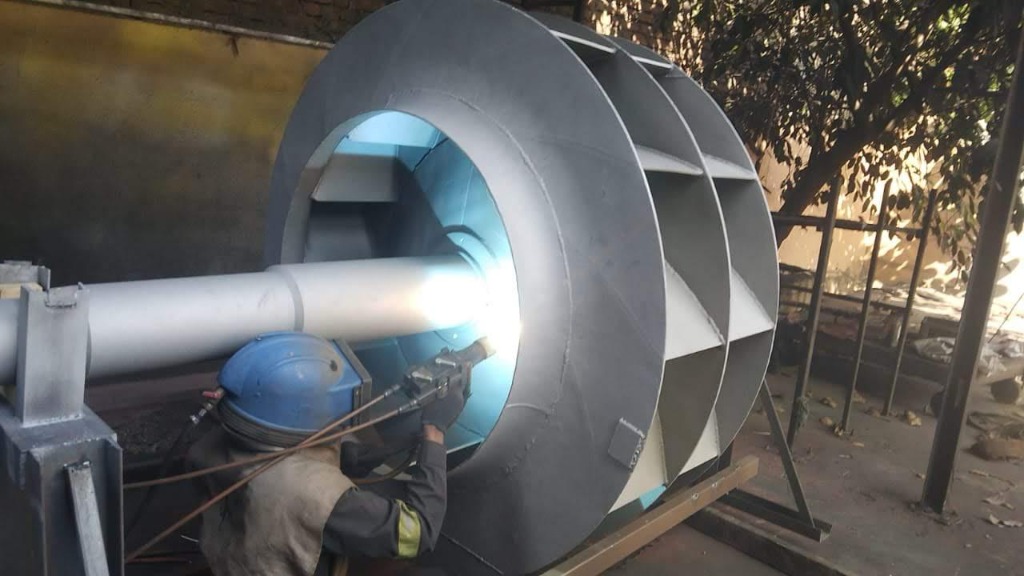
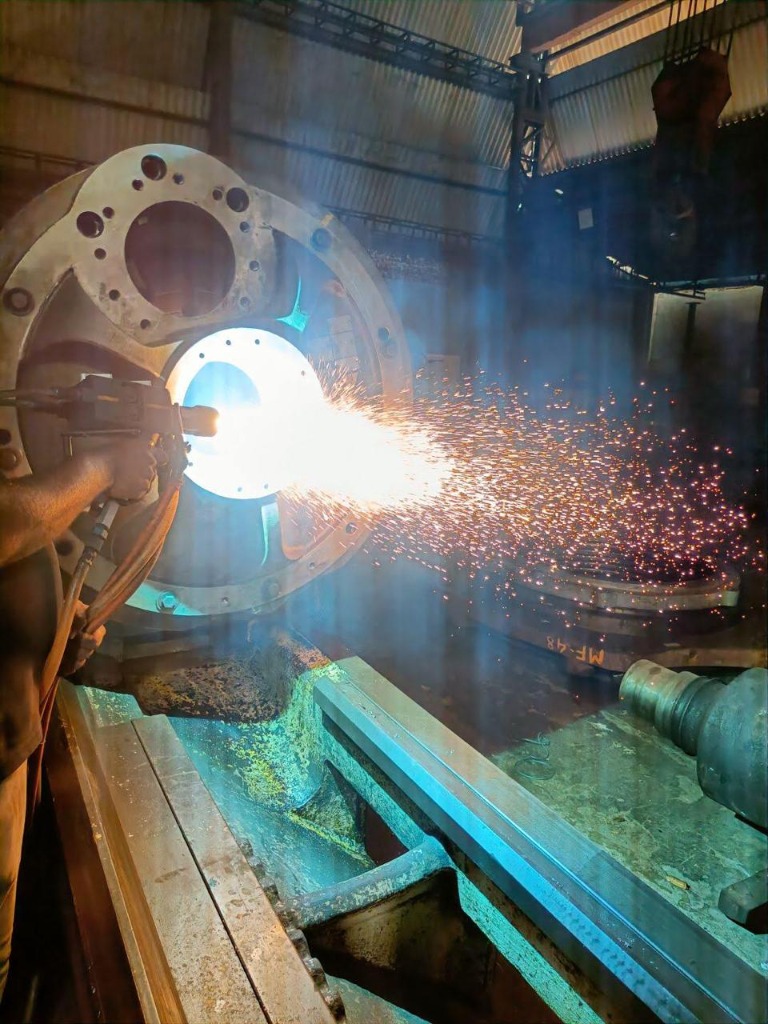
The Thermal Spray Process is a highly versatile surface engineering technology that applies protective coatings to industrial components. By projecting melted or semi-melted materials onto a prepared substrate, we create incredibly dense, strongly bonded layers of metals, ceramics, and carbides. This process extends the lifespan of expensive machinery, drastically reduces maintenance downtime, and provides superior resistance to intense wear, high temperatures, and aggressive chemicals.

Key Specifications & Features

Extends component operational lifespan by up to 500%
Applicable to almost any metallic substrate without causing thermal distortion
Includes HVOF, Arc Spray, Plasma Spray, and Flame Spray techniques
Rapid application with minimal heat input to the base material

Typical Applications

General Machine Components
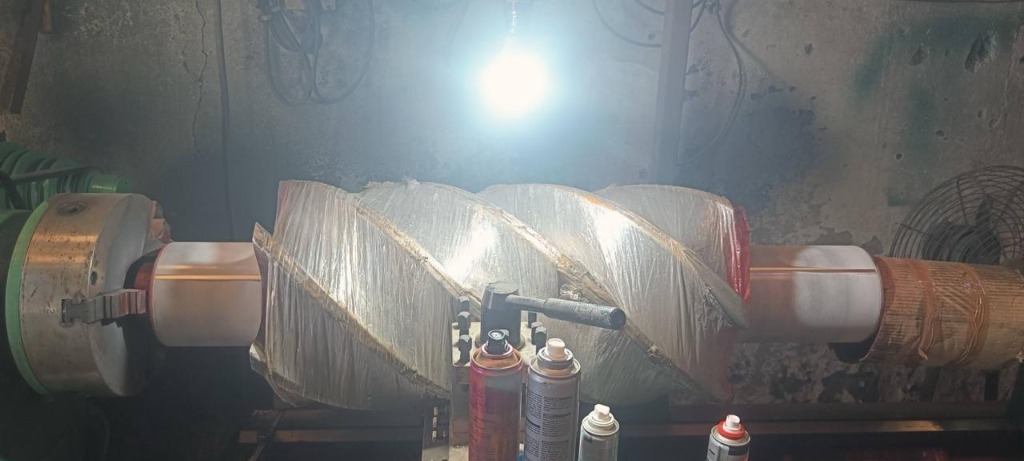
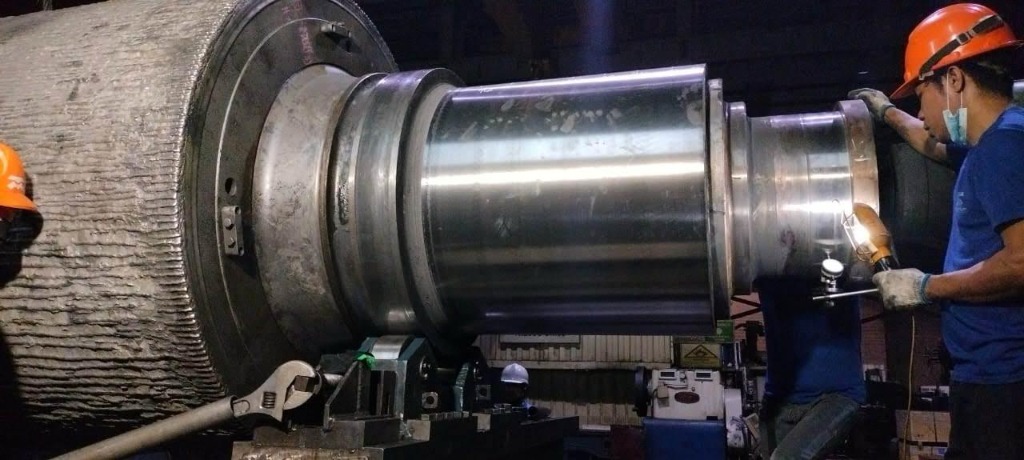
Shafts and Rotors
Bearing Journals
Hydraulic Cylinders
Print Rollers
Wear Surfaces

Common Coating Materials

Stainless Steel Alloys
Bronze and Brass
Molybdenum
Babbitt (White Metal)
Ceramic Powders
Tungsten Carbide
Frequently Asked Questions

Thermal Spray Process — Common Questions

Answers to common questions about the thermal spray process and how ATSPL applies it.
What is the thermal spray process?
Thermal spray is a surface-engineering process that projects molten or semi-molten metals, ceramics, and carbides onto a prepared component to build dense, strongly bonded protective coatings.
What are the main types of thermal spray?
The main techniques are HVOF, arc (twin-wire) spray, plasma spray, and flame spray, each suited to different coating materials and performance requirements.
What materials can be thermal sprayed?
Stainless steel, bronze and brass, molybdenum, babbitt (white metal), ceramic powders, and tungsten carbide, among many others.
Does thermal spray damage or distort the base component?
No. Thermal spray applies coatings with minimal heat input, so the base material is not distorted or metallurgically altered, unlike welding.
Which industries use thermal spray coatings?
Power, steel, cement, oil and gas, paper, hydro, chemical, and general engineering industries all rely on thermal spray coatings to fight wear and corrosion.